.jpg)
Thermoclay blocks are modular units made of fired clay that incorporate multiple internal cavities, formed during the extrusion process through molds that define their alveolar geometry. Used in load-bearing or enclosure walls, these voids reduce wall weight, improve thermal insulation, and allow for faster assembly while maintaining the structural properties typical of ceramic masonry.
These cavities can also be filled with materials that further increase thermal mass or insulation, transforming the wall into a layered wall assembly that helps stabilize indoor temperatures over time. In the 24-unit social housing project in southern Ibiza, designed by 08014 arquitectura, the cavities are filled with earth excavated directly from the site, significantly improving overall environmental performance while integrating material reuse into the wall construction system.
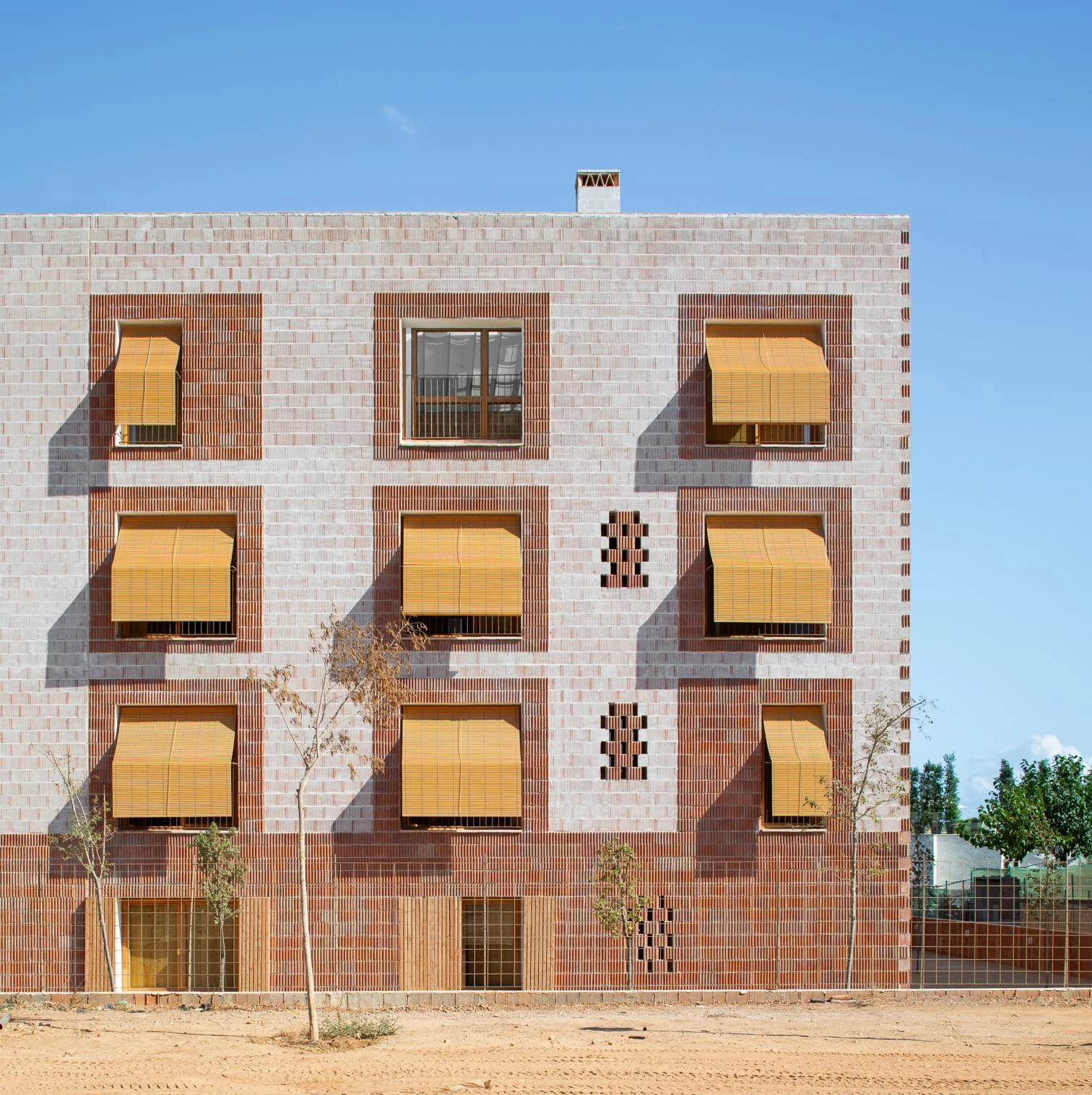
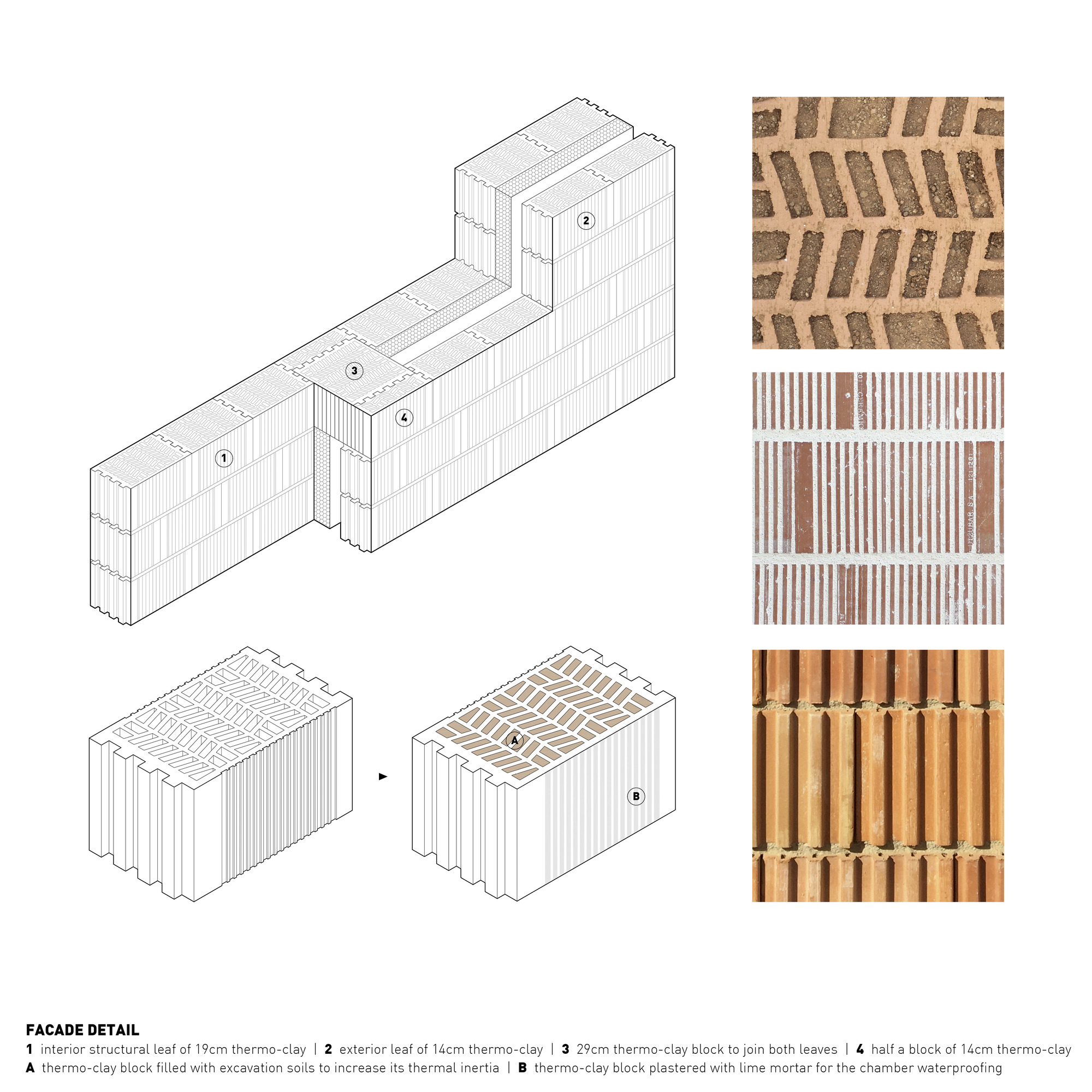
Located in the urban area of Platja d’En Bossa, the project stands on a flat urban plot. By constructing the building envelope with thermoclay blocks filled with excavated soil, the project turns site material into part of the construction system itself. The result is a non-renewable primary energy demand of 10.7 kWh/m² per year, a very low figure for residential buildings in this climatic context.
This approach is complemented by additional passive design measures. All apartments benefit from cross-ventilation, improving indoor comfort without mechanical systems. Circulation spaces are organized around covered courtyards with glazed enclosures and adjustable shading, which function as bioclimatic atria—capturing solar heat in winter and acting as ventilated shaded spaces in summer. Vegetation is integrated into patios, shared areas, and the roof, helping regulate the microclimate and supported by a rainwater harvesting system used for irrigation.
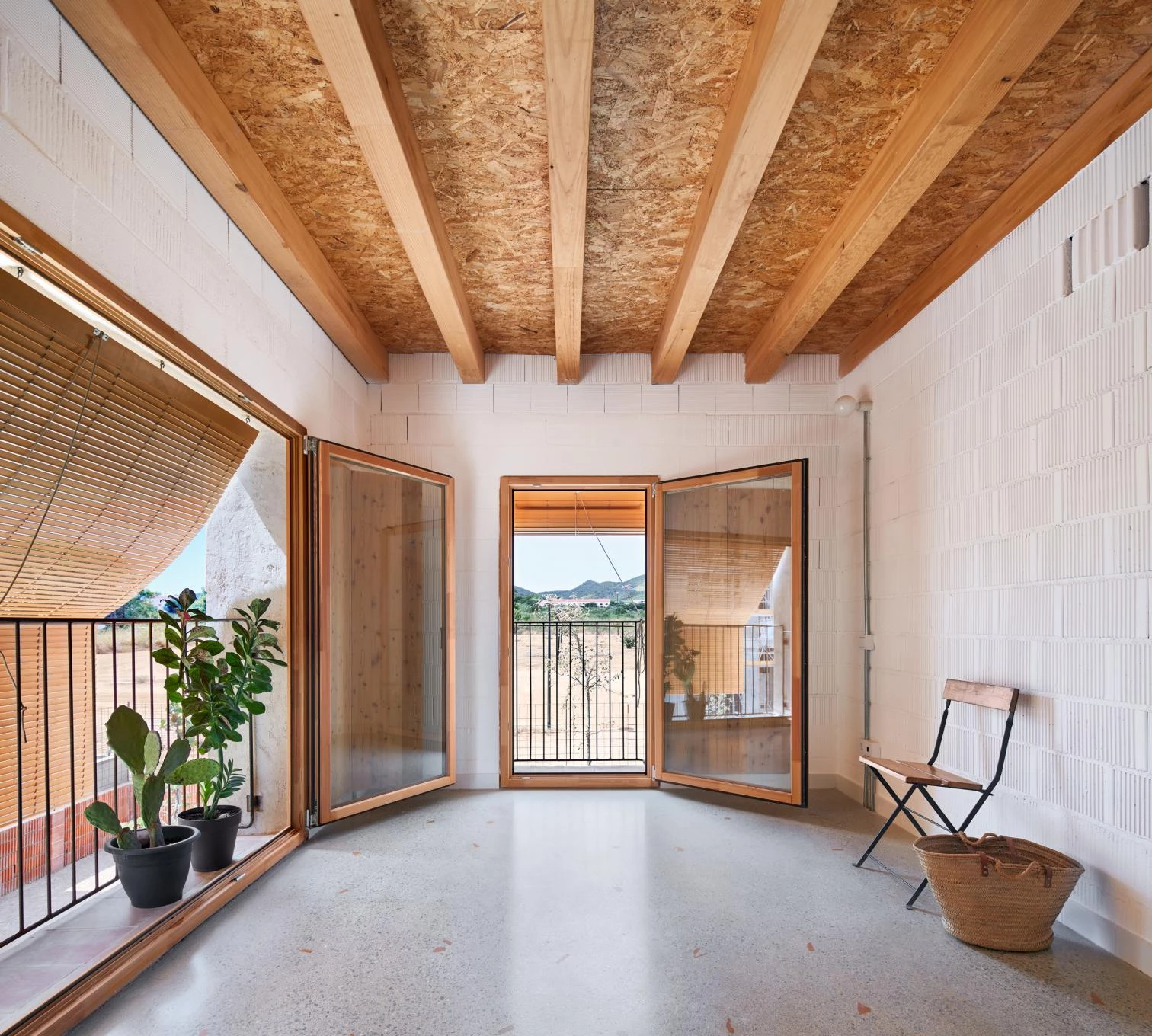
Beyond operational energy consumption, the project also addresses the embodied carbon of construction materials. The building reaches 439 kgCO₂/m², reported to represent a reduction of approximately 30% compared to conventional construction systems. This reduction is also supported by the careful selection of complementary materials, including ceramic elements produced in biomass-fired kilns, timber structures used in beams, atriums, and carpentry, recycled cotton insulation in the façade, and dried Posidonia seagrass used as roof insulation—a traditional material historically used in Mediterranean architecture.
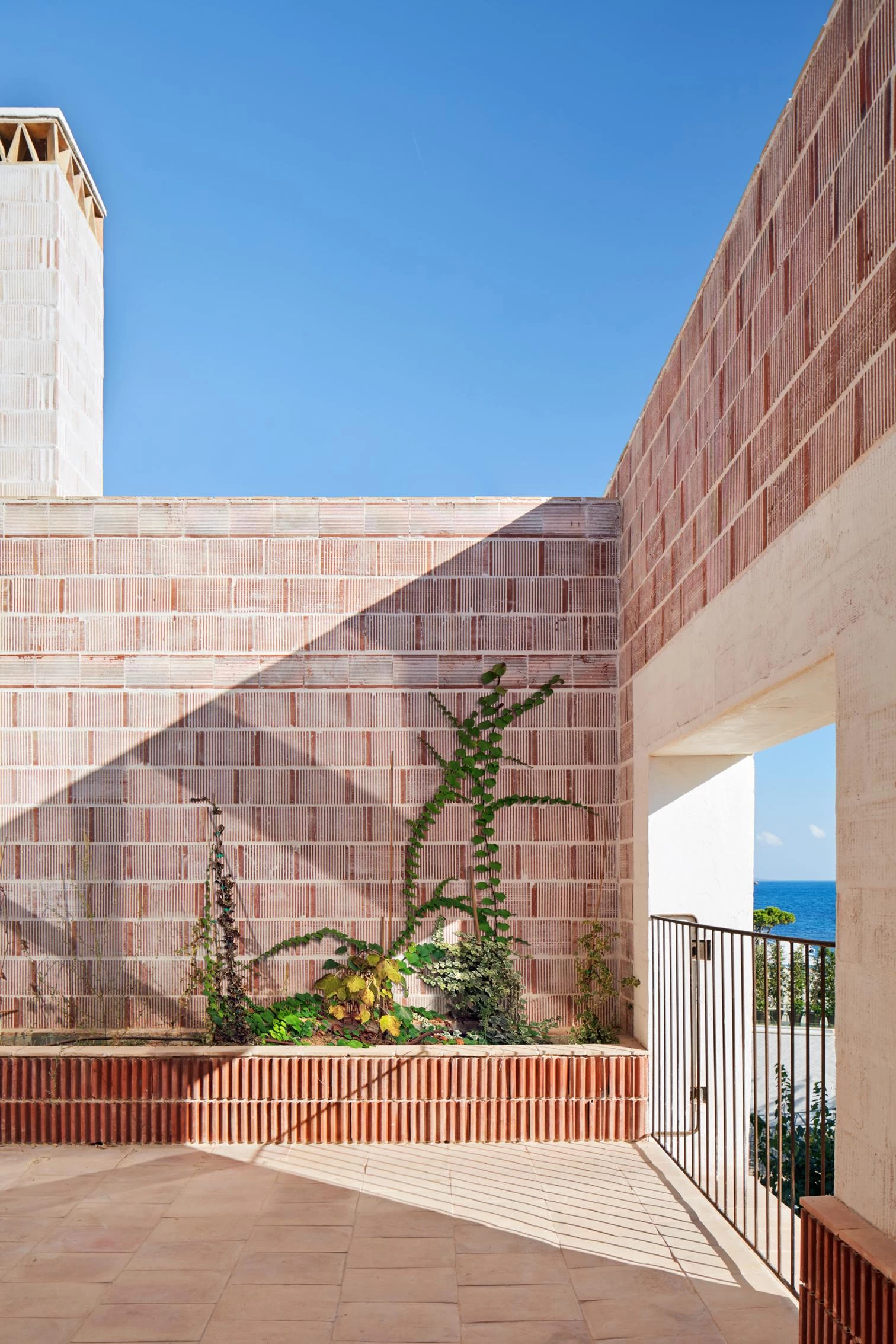
The housing sector constantly faces the challenge of providing good living conditions without increasing the cost of living or exceeding project budgets, particularly in social housing. This project shows how that balance can be achieved through straightforward strategies: reducing energy demand, limiting construction emissions, and improving indoor comfort without relying on complex technological systems.
Through intelligent material selection, climate-adapted design, and the reuse of resources already present on site, the building shows how environmental performance—even under increasingly stringent regulations—can emerge from informed material decisions.
Better material knowledge leads to better buildings.
Explore materials and organize your research in revalu Spaces.

.png)
.png)
.png)
.png)
.png)
.png)



.png)
.png)
.png)
.png)
.png)
.png)
.png)
.png)
.png)
.png)
.png)
.png)
.png)
.png)
.png)
.png)
.png)
.png)
.png)
.png)
.png)
.png)
.png)
.png)
.png)
.png)
.png)
.png)
.png)
.png)
.png)
.png)
.png)
.png)
.png)
.png)
.png)
.png)
.png)
.png)
.png)
.png)
.png)
.png)
.png)
.png)
.png)
.png)
.png)









.png)